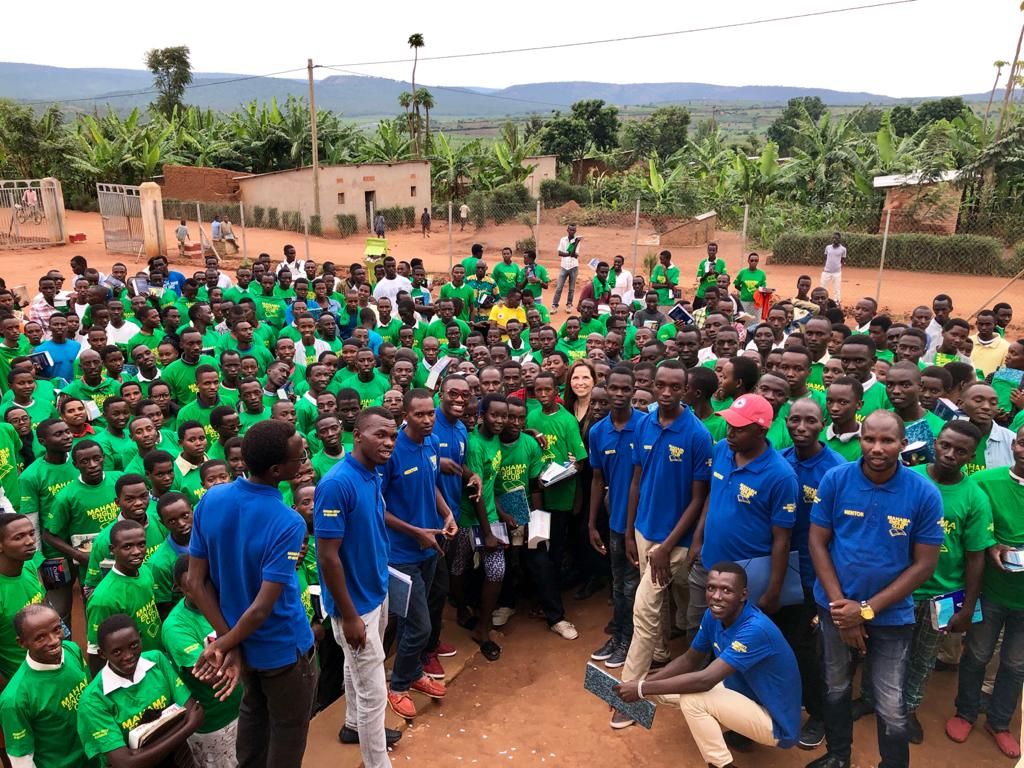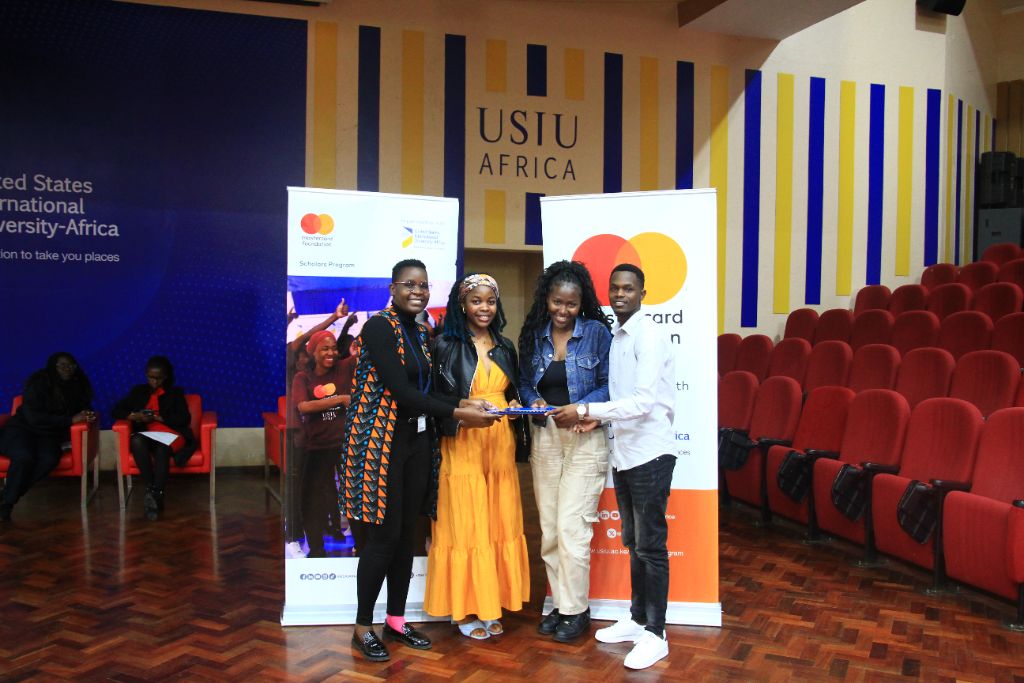
Across seven years, from a refugee community classroom to a university family of 70+ scholars, leadership has shown up consistently as service, coordination, and accountability to others.
As Family Father, I provide leadership, coordination, mentorship, and pastoral support to a community of more than 70 Mastercard Foundation Scholars, the largest sustained leadership responsibility of my journey. The role requires balancing academic mentorship, welfare coordination, conflict resolution, and the organization of community-driven initiatives such as the Scholar Day of Service at Kaduro Primary School.
This role has taught me that leadership at scale is fundamentally about systems: building trust, creating channels for scholars to raise concerns, and ensuring that support reaches people before a small issue becomes a crisis.
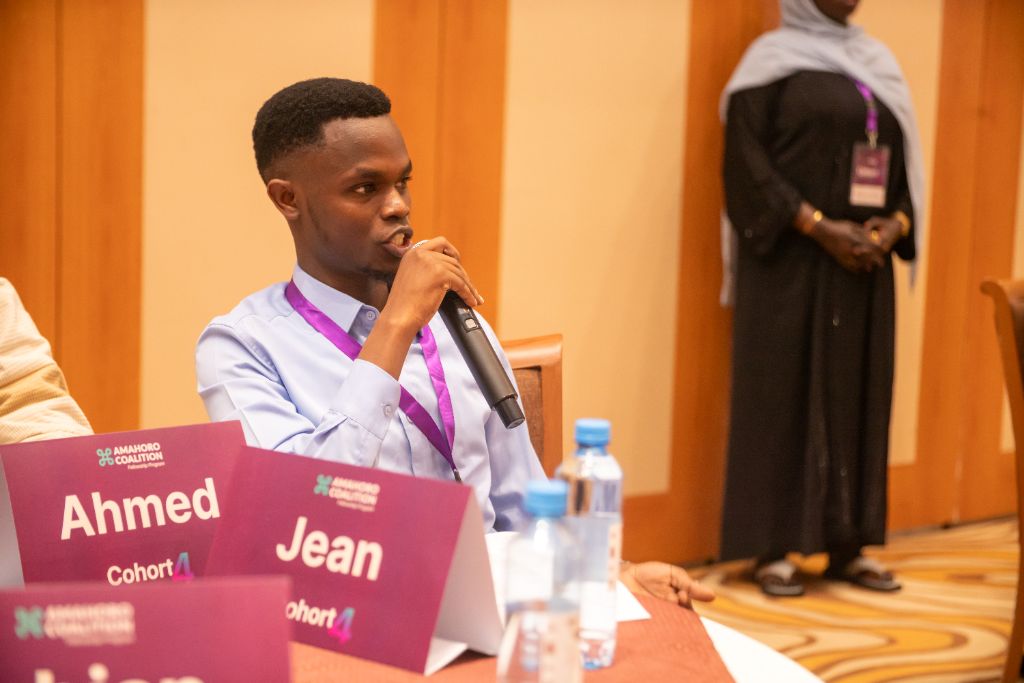
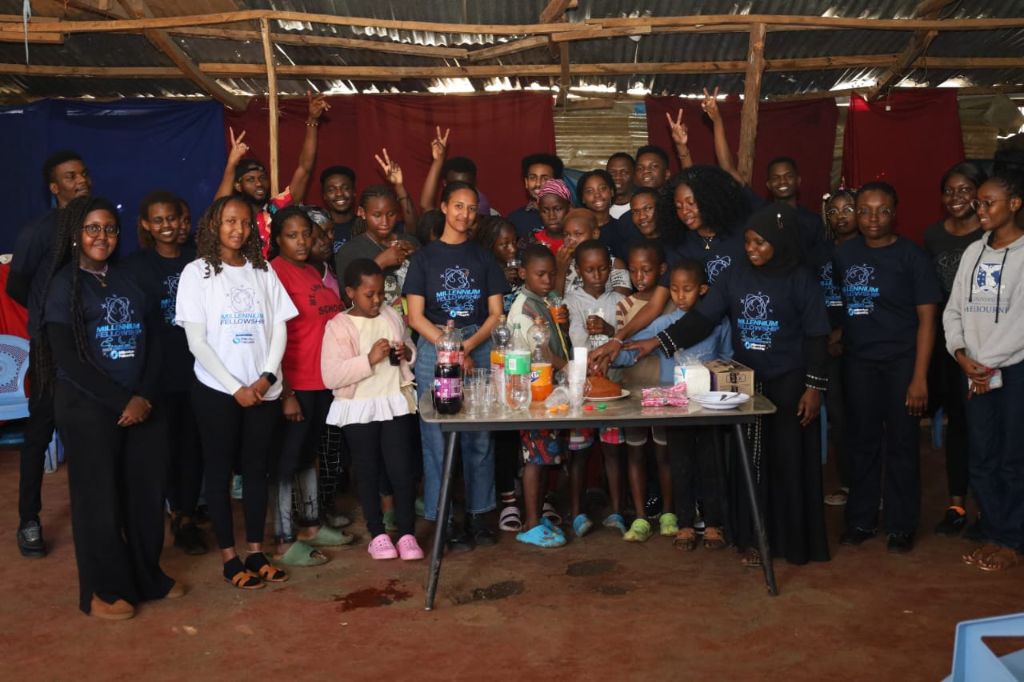
Led the design and implementation of the Mahama Tailoring Empowerment Project as a Fellow representing Rwanda in a competitively selected cohort.
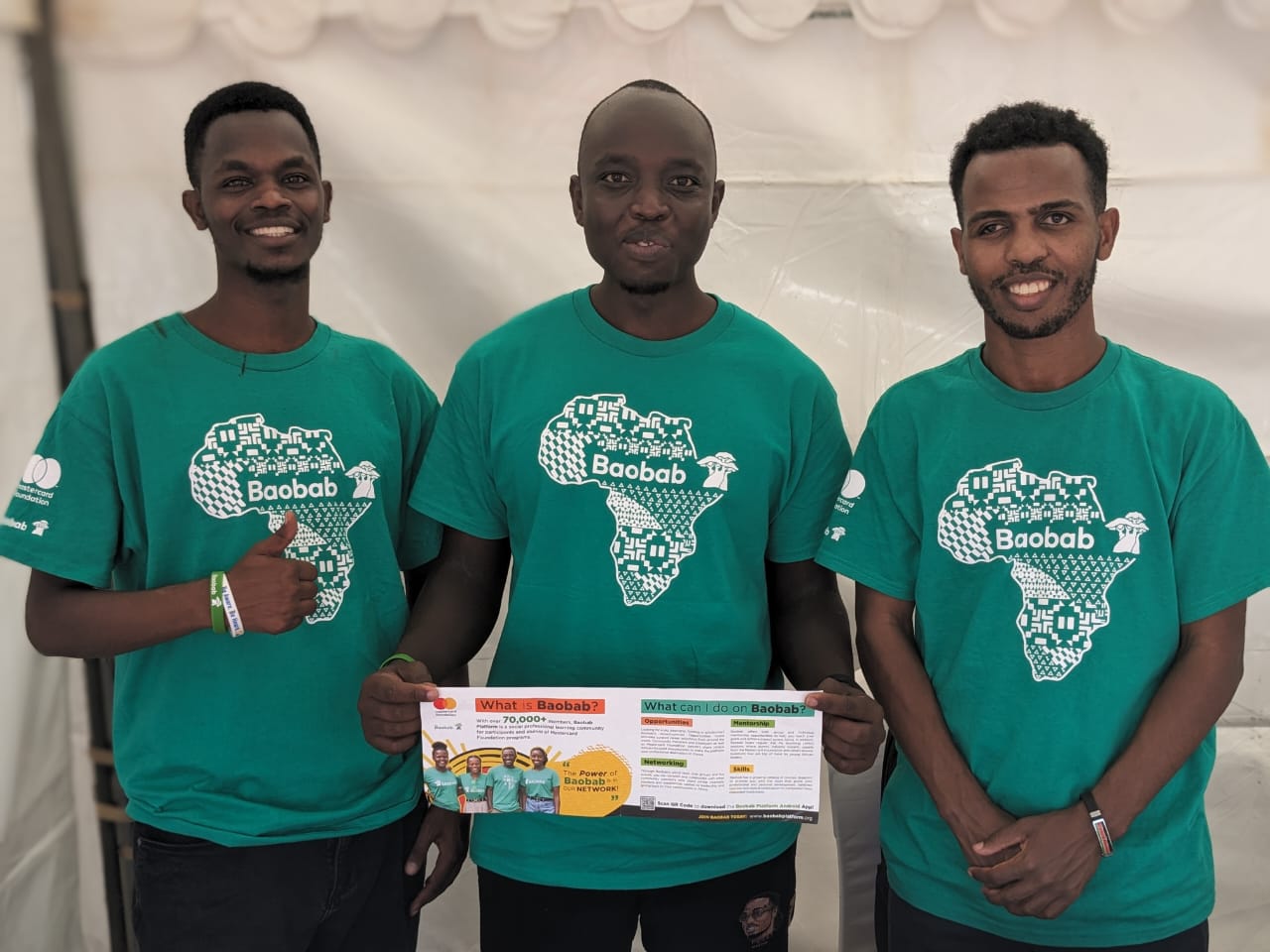
Representing the Baobab Platform by promoting opportunities on the platform, mentorship, courses, networking, and professional development for the Scholars, and young African leaders.
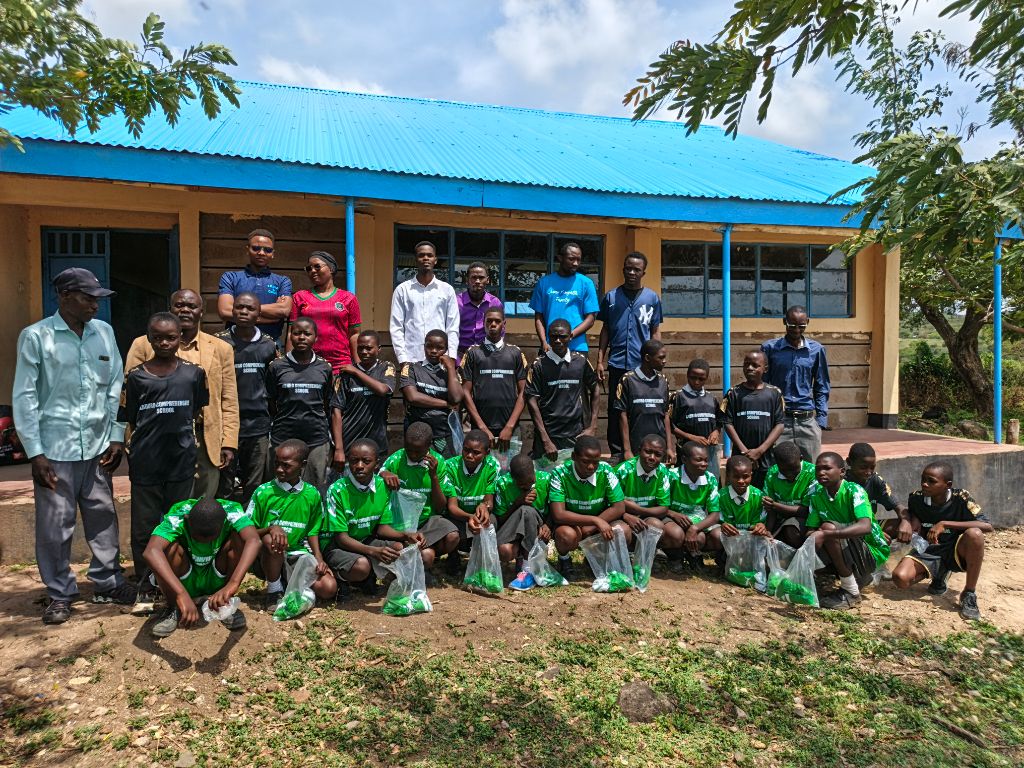
Directed the "Soles for Success" initiative at Narindi School in partnership with the UN Academic Impact and Millennium Campus Network.
Mobilized and led 70+ scholars in a service project delivering furniture and resources to Kaduro Primary School.
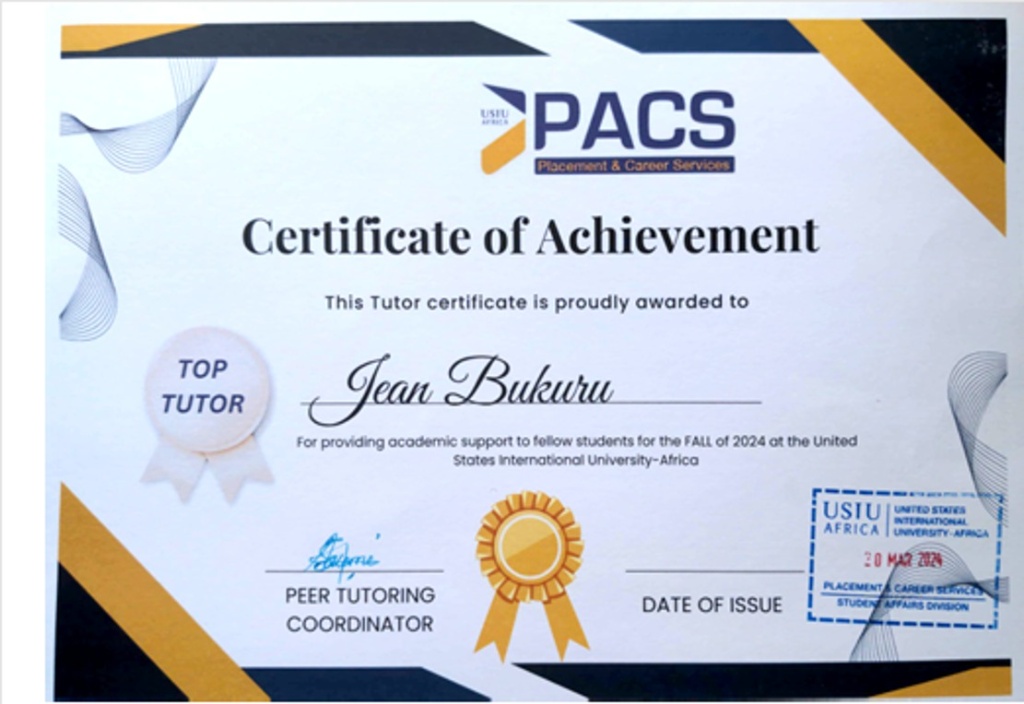
Recognized as Top Tutor for providing academic support to fellow students at USIU-Africa during Fall 2024.
Seven years of leading English-language mentorship for Burundian refugee students transitioning education systems.
The best leadership I have offered was rarely visible, it looked like a desk delivered on time, a scholar who felt heard, or a student who finally read a full sentence in English.
Every initiative I've led began by listening to the people it was meant to serve scholars, students, or community members.
Coordinating 70+ scholars or a multi-day project requires clear systems, defined roles, and consistent follow-through.
Whether mentoring a displaced student or a first-year scholar, I lead by first understanding the human context.